Choosing business internet in 2026 requires balancing cost and reliability by comparing fiber optic connections for high bandwidth against 5G fixed wireless for flexibility and affordability. Most organizations should prioritize hybrid solutions that combine these technologies for maximum redundancy; this approach ensures constant uptime while optimizing your budget based on how to choose business internet 2026 criteria like speed and security.
As we approach 2026, the traditional approach to business connectivity is no longer sufficient to support the demands of AI-integrated workflows and cloud-heavy operations. If your current connection feels sluggish or unreliable during peak hours, you are already falling behind. Business internet has evolved from a simple monthly utility into a strategic asset that dictates your operational resilience. In this guide, we will explore why your 2024 strategy is obsolete and how to navigate the choice between fiber and 5G fixed wireless. You will learn to eliminate single points of failure through redundancy, integrate security directly into your connectivity stack, and calculate the bandwidth required to power a modern office. By the end, you will have a clear checklist to select a provider that scales with your ambitions.
Why Your 2024 Internet Strategy Won't Work in 2026
The digital landscape of 2026 demands a radical departure from the connectivity standards that were acceptable in 2024. As AI-driven SaaS applications have transitioned from niche tools to the operational standard, the volume of real-time data exchange has surged exponentially. Modern businesses now rely on dense, high-definition remote collaboration platforms and complex business automation services that require consistent, low-latency throughput. Relying on an internet connection as a simple utility, much like water or electricity, is a risk modern firms can no longer afford to take.
Connectivity in 2026 has evolved into the mission-critical backbone of the secure, data-driven environment GlobalinkIT advocates for. When evaluating high-speed internet plans, the focus must shift from basic download speeds to a holistic view of the entire connectivity stack. This approach includes ensuring the network has the architectural strength to support integrated cybersecurity solutions and the massive bandwidth requirements of automated workflows. Understanding how to choose business internet 2026 requires recognizing that a minor lag or a brief outage no longer just delays an email; it halts the real-time data processing and automation engines that drive modern profitability and competitive advantage.
Fiber vs 5G Fixed Wireless: Deciding Between Speed and Agility
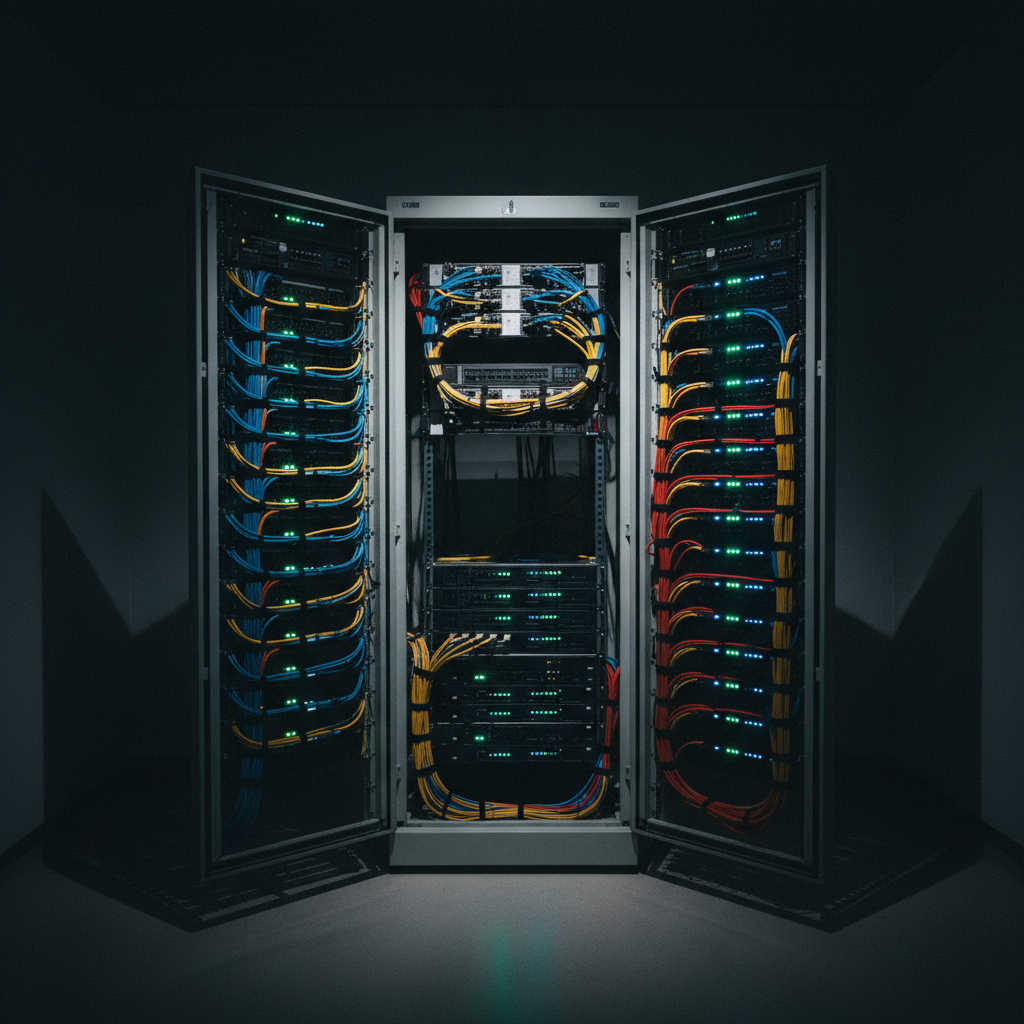
Navigating the choice between fiber optics and 5G Fixed Wireless Access (FWA) requires a technical understanding of how different infrastructures handle the heavy data loads required by modern firms. Fiber remains the definitive gold standard for organizations that prioritize stability and high-volume data exchange. Its primary advantage lies in symmetrical speeds, where upload capacity matches download capacity. For firms heavily utilizing business automation services or hosting high-definition video conferences, this symmetry prevents the bottleneck effect often seen with older technologies. Furthermore, fiber’s inherently low latency is vital for clear Voice over IP (VoIP) communication and real-time cloud synchronization.
In contrast, 5G FWA has matured into a disruptive force for agility and rapid deployment. Market data for 2026 indicates that pricing for these business tiers generally falls between $50 and $199 per month, making it an attractive option for low-overhead retail environments or temporary project sites. However, a critical distinction often overlooked in standard marketing is the 'best-effort' nature of wireless delivery. Unlike dedicated fiber, most FWA plans do not carry strict Service Level Agreements (SLAs). Performance can fluctuate based on network congestion or signal interference, meaning it lacks the guaranteed uptime necessary for a primary mission-critical connection.
Feature | Dedicated Fiber | 5G Fixed Wireless (FWA) |
|---|---|---|
Performance | Symmetrical (Up to 10Gbps) | Asymmetrical (Best-effort) |
Latency | Ultra-low (<10ms) | Moderate (30-60ms) |
Typical Cost | $200 - $1,000+ | $50 - $199 |
Deployment | 30 - 90 Days | 1 - 3 Days |
Reliability | Guaranteed (SLA) | Best-effort |
When evaluating high-speed internet plans, the process of how to choose business internet 2026 should involve a tiered strategy. Fiber provides the foundational stability for headquarters and data-intensive hubs, while 5G FWA serves as a powerful secondary tool for redundancy or highly mobile branch locations where quick setup is prioritized over absolute consistency.
The Redundancy Imperative: Why One Connection is a Single Point of Failure

A common question among stakeholders is whether a secondary backup internet connection is truly necessary for a small firm. When evaluating how to choose business internet 2026, the answer is found in the architectural concept of a single point of failure. If your primary circuit goes dark, your entire operation halts. A redundant business internet connection provides a secondary, independent path to the web, ensuring that your digital doors remain open even when the physical infrastructure fails.
However, not all redundancy is created equal. Standard failover often involves a manual switch or a significant delay while the hardware detects a loss of signal. This gap causes dropped VoIP calls, frozen video sessions, and interrupted business automation services. Seamless redundancy, managed through SD-WAN technology, provides a different experience. It monitors the health of both links in real-time; it shifts traffic packets instantly without disconnecting active sessions or requiring a manual reboot of the gateway.
Consider a scenario where a local construction crew accidentally severs your primary fiber line. In a traditional setup, your office is offline for hours or days while waiting for repairs. With a GlobalinkIT-managed 5G backup, the system detects the fiber breach within milliseconds. Your POS systems, customer data streams, and integrated cybersecurity solutions continue to function over the wireless link without a single transaction failing.
In the landscape of 2026, downtime is no longer measured solely by lost hours of productivity. It is measured in lost reputation. Customers who encounter a system down message during a transaction or discovery call rarely return. Integrating high-performance high-speed internet plans with managed redundancy is the only way to ensure your business remains a reliable partner in a real-time, data-driven economy.
Beyond the Bandwidth: Integrating Security into Your Connectivity Stack
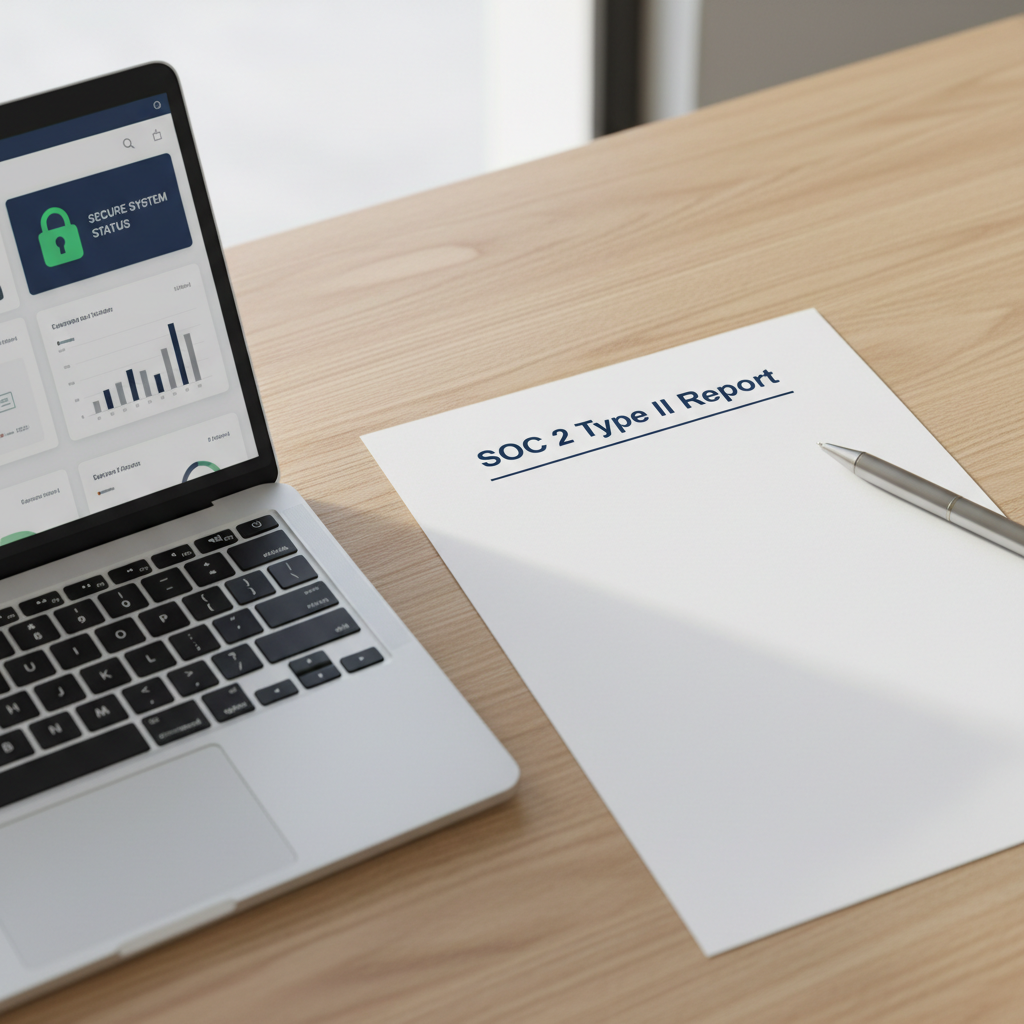
Reliability is only one half of the modern connectivity equation; a high-performance link that lacks inherent security is simply a high-speed pipeline for potential threats. In the 2026 landscape, security cannot be treated as a secondary add-on. It must be a foundational layer of the connection itself. This is why GlobalinkIT advocates for the adoption of Secure Access Service Edge (SASE) architectures. SASE converges software-defined networking with integrated cybersecurity solutions into a unified, cloud-delivered service, ensuring that protection follows the data regardless of where your team is working.
When determining how to choose business internet 2026, prioritize providers that offer integrated firewalls and threat mitigation at the ISP level. This approach stops volumetric attacks and known malware before they ever reach your local infrastructure. Such a secure stack significantly simplifies the path to compliance for regulated industries, providing the consistent logging and encryption evidence needed for SOC 2 or HIPAA audits. Furthermore, firms with an integrated security-connectivity stack often benefit from lower cyber insurance premiums, as they present a lower risk profile to underwriters compared to businesses with fragmented solutions.
Special attention must be paid to the security of 5G business internet gateways. Unlike traditional enterprise fiber terminals, these wireless endpoints often ship with standard configurations that can leave internal networks exposed to modern threats. Hardening these gateways is essential, especially for firms relying on business automation services where any breach could disrupt critical workflows. This hardening process requires disabling insecure protocols, managing carrier-grade NAT complications, and ensuring every mobile endpoint is part of a centrally managed security policy. By treating high-speed internet plans as a secure fabric rather than a simple data pipe, businesses protect their digital assets while maintaining the agility needed for the modern economy.
Calculating Your True Speed Requirements for 2026
Effective capacity planning starts with a rigorous audit of peak utilization times rather than average daily use. When assessing your network, distinguish between throughput (the volume of data) and latency (the response time). In 2026, latency is often the more critical metric for operational success. For instance, a 500Mbps connection plagued by high latency will cause jitter and lag in high-definition video calls, making it functionally inferior to a stable 100Mbps fiber link with low response times.
Furthermore, understanding the difference between asymmetric and symmetric speeds is essential. Standard residential or low-tier high-speed internet plans often prioritize downloads while offering negligible upload capacity. This architecture is insufficient for modern firms. Businesses leveraging business automation services and cloud-based synchronization must push significant amounts of data upstream constantly. Symmetric connections ensure that your upload speeds match your download speeds, preventing bottlenecks during automated data transfers or large file uploads to the cloud.
When determining how to choose business internet 2026, calculate your requirements by identifying the bandwidth needs of your most data-intensive SaaS applications at peak concurrency. Use network monitoring tools to identify micro-bursts of traffic that can saturate a link even if the average usage appears low. Always aim for a connection that provides a 30 percent buffer above your peak measured usage to accommodate future scalability and real-time background processing.
A Checklist for Choosing a Business Internet Provider
Finalizing your connectivity strategy involves vetting potential partners against specific operational benchmarks. To understand how to choose business internet 2026, you must look past marketing headlines and examine the contractual obligations and technical architecture of the provider. Use this checklist to evaluate potential high-speed internet plans and ensure they align with your long term operational requirements.
Dedicated vs. Shared Infrastructure: Determine if the circuit is Dedicated Internet Access (DIA) or a shared, best-effort connection. Shared lines are prone to neighborhood congestion during peak hours. DIA provides a private, uncontended pipe that ensures your bandwidth is never throttled by the activity of nearby businesses.
Service Level Agreements (SLAs): Insist on written guarantees for uptime, latency, and packet loss. In a data-driven economy, 99.9% uptime is often insufficient. Look for 99.99% or higher, backed by clear financial credits if the service provider fails to meet these metrics.
Static IP Availability: Verify that the provider can assign multiple static IP addresses. These are essential for hosting integrated cybersecurity solutions, managing secure remote access for your team, and ensuring consistent communication for cloud-based business automation services.
US-Based Technical Support: Prioritize providers that offer US-based support with deep technical expertise. Confirm their Mean Time to Repair (MTTR) and check if they provide 24/7 proactive monitoring rather than a standard reactive help desk.
On-Demand Scalability: Confirm the provider can scale your bandwidth via software within 24 hours. A modern network partner should be able to increase your capacity remotely without requiring a physical site visit or hardware replacement, allowing your infrastructure to grow as quickly as your data needs.
Selecting the right business connectivity is no longer just about speed; it is about building a resilient foundation for your future growth. By prioritizing redundancy and security today, you ensure your operations remain stable regardless of what 2026 brings. If navigating these technical requirements feels overwhelming, our team at GlobalinkIT is here to assist. If you want expert help finding the perfect Internet solution for your specific needs, we can guide you through every step of the selection process.