Shadow AI cybersecurity risks represent the unmanaged use of artificial intelligence tools by employees, which introduces vulnerabilities such as data leakage and intellectual property theft into corporate networks. To protect against these hidden threats in 2026, businesses must implement rigorous governance and visibility strategies; failing to monitor unauthorized AI usage expands the attack surface and complicates compliance efforts.
Your team is likely using AI tools you haven't approved, and that lack of visibility is the single greatest threat to your perimeter in 2026. While official digital transformation projects receive the bulk of your security budget, Shadow AI remains a silent, growing liability. Employees often bypass corporate protocols to boost productivity with unvetted chatbots; however, these shortcuts expose sensitive proprietary data to the public domain and create new pathways for advanced persistent threats. At GlobalinkIT, we recognize that staying ahead of this curve requires more than just better software. It requires a fundamental shift in how your organization manages the human element of technology. This guide breaks down the specific cybersecurity risks of Shadow AI, analyzes the hidden financial and reputational costs of a breach, and outlines practical strategies to ensure your AI adoption is both innovative and secure.
The Rise of Shadow AI: Why 2026 is a Turning Point for Business Security
Shadow AI refers to the use of unsanctioned artificial intelligence tools by employees without explicit approval from the IT department. While the concept of Shadow IT, the unauthorized use of SaaS platforms, has existed for decades, Shadow AI presents a far more complex threat landscape. Traditional Shadow IT usually involves data storage in unmanaged silos; however, Shadow AI involves feeding sensitive company data directly into external models. When an employee inputs proprietary code or a confidential client list into a public Large Language Model (LLM) to save time, that data often becomes part of the provider's training set or is stored on external servers beyond the reach of corporate security protocols.
The year 2026 serves as a critical turning point for business security because the barrier to entry for AI has vanished, leading to a massive expansion of the attack surface. Recent statistics highlight a 340% increase in AI-powered cyberattacks, demonstrating that malicious actors are already leveraging high-speed automation to exploit organizational vulnerabilities. For modern enterprises, the challenge is no longer just preventing unauthorized software; it is managing the intellectual property risks inherent in generative technology.
GlobalinkIT serves as a dedicated partner for businesses navigating this shift. We understand the pressure to maintain high productivity, but we also recognize that unmanaged AI creates significant shadow AI cybersecurity risks that can jeopardize a firm's future. By integrating sophisticated cybersecurity solutions with custom automation solutions, we help organizations implement a fully integrated approach. This allows teams to utilize the power of AI while ensuring that data-driven decisions remain secure, professional, and within the company's direct control.
Primary Shadow AI Cybersecurity Risks: More Than Just Data Leaks

Understanding the specific risks of shadow AI requires looking beyond simple unauthorized software use; it involves identifying structural vulnerabilities that can threaten the core of a business. When stakeholders ask, "What are the risks of shadow AI?" the answer generally falls into three critical categories: data leakage, regulatory failure, and compromised integrity.
Data Leakage and IP Exposure: The most immediate threat involves employees inputting proprietary information, such as internal source code or confidential client lists, into public Large Language Models (LLMs). These platforms often utilize user inputs to train future models, meaning your intellectual property could inadvertently be served as a response to a competitor's query.
Regulatory Non-Compliance: Businesses governed by HIPAA, GDPR, or CCPA face severe penalties if data is processed through non-vetted channels. Shadow AI bypasses the strict auditing and data-handling protocols required for professional compliance services. If an employee processes personal identifiable information (PII) through an unmanaged AI tool, the business remains legally liable for the resulting breach of privacy standards.
Integrity and Hallucination Risks: AI models can produce "hallucinations," which are confident yet entirely fabricated outputs. Relying on these errors for business decisions or financial forecasting introduces significant operational danger. Furthermore, biased algorithms can lead to discriminatory outcomes in hiring or lending, exposing the firm to litigation and reputational damage.
As we look toward 2026, the emergence of "Agentic AI" significantly amplifies these shadow AI cybersecurity risks. Unlike static chatbots, autonomous agents can be programmed to execute tasks across internal systems. Without centralized oversight and sophisticated cybersecurity solutions, these agents may access sensitive databases or create unmonitored backdoors into your network. GlobalinkIT helps firms mitigate these dangers by implementing managed automation solutions that provide the efficiency of AI within a secure, governed framework, ensuring that data-driven decisions are based on verified, protected information.
Why 90% of Cyber Incidents Begin with the Human Element
Statistically, 90% of cyber incidents begin with the human element. This does not imply that employees are intentionally sabotaging their organizations. Instead, the majority of shadow AI cybersecurity risks stem from well-intentioned staff attempting to bypass bottlenecks and increase output. When a marketing specialist uses an unapproved generative tool to summarize a 50-page client report, they are optimizing their workflow, not seeking to leak data. These individuals prioritize productivity over protocols because the friction of traditional IT approval processes feels like a hindrance to their performance.
To address this, leadership must look at the 10 20 70 rule for AI deployment. This framework suggests that successful implementation is only 10% algorithms and 20% technology; the remaining 70% is comprised of people and processes. If your cybersecurity solutions focus only on the tech stack while ignoring user behavior, you leave a wide gap for exploitation.
The danger is compounded by the rising sophistication of AI-powered impersonation. Malicious actors now use deepfake audio and high-velocity phishing that mimics internal communication styles perfectly. For an employee already accustomed to using unvetted AI tools, distinguishing between a legitimate efficiency hack and a sophisticated social engineering attempt becomes nearly impossible. Secure automation solutions must bridge this gap by providing tools that are both easy to use and structurally protected against human error.
The Hidden Costs: Reputational Damage and Financial Fallout
The consequences of unmanaged AI use extend far beyond technical glitches. According to findings from Harvard Business Review, the average cost of an AI-enabled data breach has climbed to approximately $4.88 million. For a US-based small business, a figure of this magnitude is not merely an operational setback; it is often a catalyst for permanent closure. These shadow AI cybersecurity risks create a financial burden that includes legal fees, forensic investigations, and the immediate loss of client contracts.
The damage is often stealthy, manifesting through a phenomenon known as data poisoning. When employees utilize unauthorized AI tools, those models may ingest corrupted or inaccurate external data, which then trickles back into the company’s internal logic. This leads to flawed business intelligence that can remain undetected for months. If a firm makes strategic decisions or client recommendations based on poisoned outputs, the resulting errors can dismantle a professional reputation that took years to build. Protecting the bottom line requires more than basic firewalls. It demands integrated cybersecurity solutions and vetted automation solutions that ensure every data point is verified and protected. By prioritizing robust compliance services, businesses can avoid the hidden financial traps that characterize the 2026 threat landscape.
Building a Modern Defense: Strategies for Secure AI Adoption
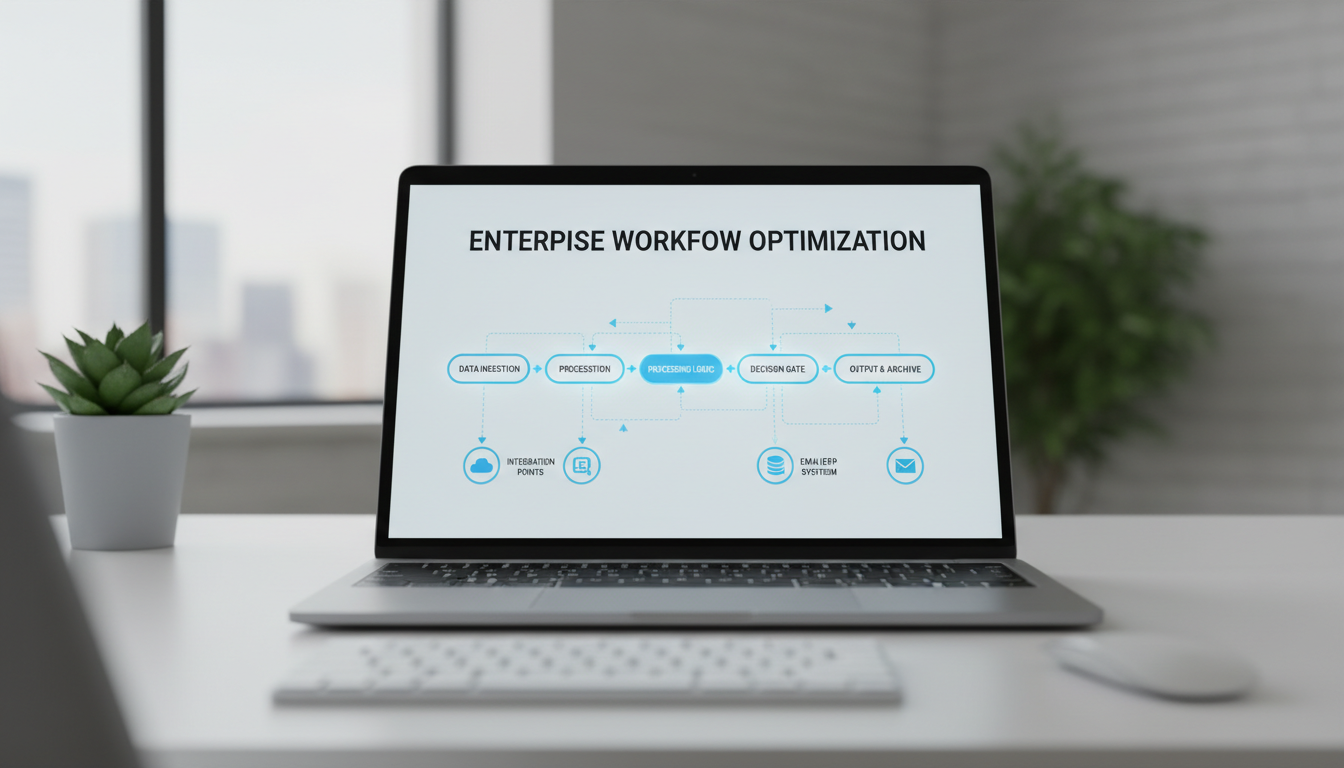
Mitigating the financial and reputational fallout of unmanaged AI requires shifting from a reactive stance to a proactive, architectural defense. Organizations cannot simply ban AI tools; doing so often drives usage further underground. Instead, businesses must provide safe, sanctioned alternatives that meet employee needs without exposing the company to shadow AI cybersecurity risks. One of the most effective strategies is the deployment of Private Enterprise GPTs. These systems offer the processing power of modern large language models but operate within a secure, local architecture where data is not used for external training. This ensures that proprietary logic and client data remain within a controlled sandbox.
Technological barriers must be paired with clear governance. A modern AI Acceptable Use Policy should move beyond prohibition and focus on a structured path for vetting and approval. This policy defines exactly which data types can be processed by specific tools and provides a transparent framework for employees to request new integrations. When staff understand the vetting process, they are less likely to seek out unsecured, third-party shortcuts. This administrative layer is essential for maintaining compliance services that satisfy increasingly rigorous audit requirements.
From a technical perspective, a Zero Trust approach is mandatory. In a Zero Trust environment, no user, device, or AI agent is granted inherent trust. Every request to access sensitive databases or internal APIs must be continuously verified. GlobalinkIT integrates real-time monitoring within its cybersecurity solutions to detect unusual data movement or unauthorized API calls before they escalate into a breach. This level of oversight allows leadership to see exactly how data flows through the organization.
By leveraging GlobalinkIT’s automation solutions, businesses can bridge the gap between high-speed efficiency and rigorous safety. We help firms implement secure automation workflows that handle repetitive tasks while keeping human oversight at the center. This balanced strategy ensures that as your business adopts new technologies, your digital perimeter remains resilient against the evolving threats of the 2026 landscape.
Regulatory Compliance and the 2026 Threat Landscape

Navigating the legal complexities of 2026 requires more than a simple checkbox. Regulatory bodies and insurance underwriters have moved past general IT audits, now demanding granular proof of AI governance. For businesses in the United States, cyber insurance premiums are increasingly tied to an organization's ability to demonstrate control over all AI deployments. Carriers often require evidence that sensitive data is not being fed into public models without oversight. Failing to account for shadow AI cybersecurity risks during an insurance renewal can lead to policy exclusions or astronomical rate hikes, leaving a firm financially exposed during a breach.
Global standards are shifting as well. Monitoring the ENISA threat landscape trends is no longer a task reserved for multinational corporations. As AI-driven threats become more localized and automated, even small businesses must align their internal protocols with these international benchmarks to protect client data. This is where GlobalinkIT provides a strategic advantage. Our compliance services are designed to integrate directly with your technology stack, ensuring that every automated workflow meets current legal mandates.
We move beyond manual reporting by providing automation solutions that log and audit AI interactions in real time. This technical trail is vital for proving due diligence to regulators and insurers alike. By combining these safeguards with our managed cybersecurity solutions, GlobalinkIT helps your business maintain a posture of "compliant by design." This integrated approach transforms regulatory hurdles into a competitive advantage, ensuring your firm remains trustworthy in an era of rapid technological disruption.
As we move into 2026, managing shadow AI is no longer optional for secure businesses. Balancing rapid innovation with strict security protocols remains the ultimate challenge; however, you do not have to face these risks alone. While internal teams often handle the basics, staying ahead of evolving threats requires specialized expertise. If you want expert help navigating these complex security landscapes, exploring our comprehensive Services is a natural next step. We can help you build a robust framework that protects your data effectively.