
Implementing zero trust security small business 2026 practices allows smaller firms to transition from vulnerable flat networks to modular frameworks that verify every access request explicitly. Small businesses can reduce overall risk by focusing on identity-based perimeters, least privilege access, and micro-segmentation to protect sensitive data in a modern threat environment.
Many small business owners still rely on outdated castle and moat defenses, only to find that a single compromised password can bring their entire operation to a halt. By 2026, the traditional perimeter has evaporated. This shift leaves your sensitive data exposed to sophisticated threats that bypass standard firewalls with ease. This vulnerability is not just a technical flaw; it is a significant business risk that directly affects your insurance premiums and client trust. At GlobalinkIT, we believe security should be a strategic enabler rather than a financial burden. In this guide, we will break down the core principles of a Zero Trust framework tailored specifically for smaller budgets. You will learn why legacy VPNs are failing, how to achieve measurable ROI through smarter protection, and the exact steps required to implement a modern security posture that scales with your business.
Why the Castle and Moat Security Model Fails Small Businesses in 2026
For decades, the standard for small business defense was the castle and moat model. Companies built a strong perimeter with firewalls to keep attackers out, assuming everything inside the walls was safe. In 2026, this logic is fundamentally flawed. Modern businesses no longer operate behind a single physical wall. With the permanent shift to hybrid work and a reliance on cloud-based SaaS, your data lives everywhere.
Small businesses with 10 to 50 employees often suffer from the flat network trap. In this environment, once a single device or user account is compromised, an attacker has lateral access to every server and workstation. This lack of internal boundaries has become the primary entry point for ransomware. Furthermore, AI-driven identity theft has made traditional perimeter protection obsolete. If an attacker uses AI to successfully mimic a trusted user, your moat remains intact while the intruder simply walks through the front door.
At GlobalinkIT, we view cybersecurity solutions not as a separate add-on, but as an inherent part of your connectivity. Adopting integrated digital solutions means recognizing that the network and its security are one and the same. Moving toward a zero trust security small business 2026 framework is the only way to address these risks, as it eliminates the dangerous assumption that anyone inside your network should be trusted by default.
The Three Core Principles of a 2026 Zero Trust Framework

To move beyond the flat network vulnerabilities mentioned previously, a zero trust security small business 2026 framework relies on three non negotiable principles derived from NIST and Microsoft standards. These are not just technical settings; they represent a fundamental shift toward a data driven security posture that reduces the risk of human error.
Verify Explicitly: In the past, being on the network was enough. Today, every access request is treated as a potential threat. We authenticate and authorize based on all available data points, including user identity, location, device health, and data classification. If an employee logs in from an unrecognized device or an unusual location, the system challenges the request automatically, even if the password is correct.
Use Least Privilege Access: This principle limits user access through risk based policies. By providing employees only with the specific tools and data required for their roles, you narrow the potential impact of stolen credentials. This is a critical component for maintaining compliance management and ensuring that sensitive financial or client data is not exposed to every user on the system.
Assume Breach: We operate as if an attacker has already gained access to the environment. Instead of relying solely on a perimeter, we use micro segmentation to isolate different parts of the network. This prevents lateral movement, ensuring that a single compromised laptop cannot lead to a company wide ransomware event.
Integrating these principles into your cybersecurity solutions allows for a more resilient infrastructure. By automating verification and limiting access, these integrated digital solutions provide the professional oversight necessary to navigate the complexities of the modern US business environment.
Zero Trust vs traditional VPN: What Has Changed for SMBs
In the previous era, the Virtual Private Network (VPN) served as the primary tool for remote access. However, traditional VPNs operate by creating a tunnel that grants broad access to the entire network once a user is authenticated. This approach directly violates the principle of least privilege; if an attacker compromises a VPN credential, they can move laterally to every server and workstation on your flat network.
By 2026, the industry has pivoted toward Zero Trust Network Access (ZTNA). Unlike a VPN, ZTNA connects users only to the specific applications they need, not the entire infrastructure. This granular control is essential for modern integrated digital solutions. From a user experience perspective, ZTNA solves the common performance bottlenecks associated with legacy hardware. Traditional VPNs often suffer from latency and require manual connection steps that frustrate employees. Modern ZTNA operates silently in the background, providing a seamless experience that improves productivity. Today, ZTNA is a standard feature of professional internet connectivity, ensuring that your zero trust security small business 2026 strategy remains both secure and user friendly.
The Business Value of Zero Trust: ROI and Cyber Insurance Benefits
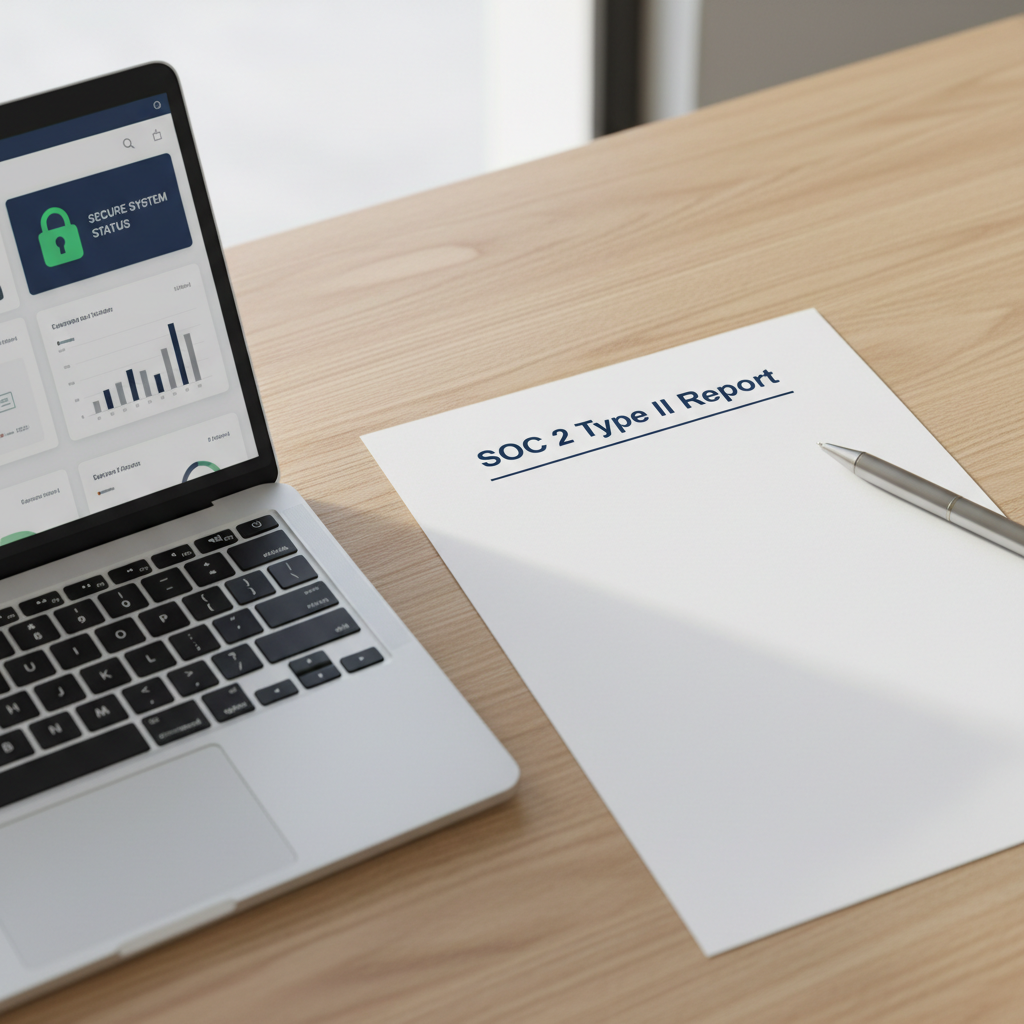
Transitioning from traditional VPNs to ZTNA provides more than just technical convenience; it delivers measurable financial value. The business value of zero trust is most evident in its direct impact on the bottom line. Research indicates that organizations deploying a mature Zero Trust model save an average of $1.76 million in breach related costs compared to those without. For a company with 10 to 50 employees, these savings are not just theoretical statistics; they represent the preservation of capital that would otherwise be lost to operational downtime, legal fees, and expensive recovery efforts.
In the 2026 insurance market, Zero Trust has moved from a recommendation to a prerequisite for coverage. Cyber insurance carriers now perform rigorous technical audits, demanding proof of specific controls like pervasive Multi-Factor Authentication (MFA) and micro segmentation before issuing a policy. A robust cybersecurity solutions strategy allows small businesses to remain insurable and avoid the prohibitive premium hikes facing those still relying on obsolete flat networks. This is a critical component of modern compliance management, shifting security from an IT expense to a vital risk transfer asset.
Furthermore, Zero Trust serves as a powerful growth engine for firms looking to scale. As large enterprises tighten their procurement standards, they prioritize vendors who can prove they are a secure link in the supply chain. Small businesses that adopt integrated digital solutions centered on a zero trust security small business 2026 framework can provide the audit trails and security guarantees necessary to win lucrative contracts. By demonstrating that every access request is explicitly verified, you remove the security objections that often prevent smaller firms from competing against larger, more established rivals.
Step by Step Zero Trust Implementation for Small Budgets

Implementing a zero trust security small business 2026 strategy does not require a $20 million enterprise budget or a complete hardware overhaul. Most small firms can achieve a sophisticated defense through a phased, incremental approach that leverages existing software investments. For businesses with 10 to 50 employees, the most cost effective starting point is often a Microsoft-first path, utilizing the built-in security features of Microsoft 365 Business Premium to avoid the high cost of disparate third party tools.
1. Phase 1: Identity and Access Management The foundation begins with verifying the person. This involves deploying Multi-Factor Authentication (MFA) and Single Sign-On (SSO) across all applications. By centralizing identity through a provider like Microsoft Entra ID, you create a single point of truth for compliance management. This ensures that access is revoked instantly if an employee leaves and that a stolen password alone cannot bypass your defenses.
2. Phase 2: Device Trust and Health Once identity is secured, the focus shifts to the hardware. Using Mobile Device Management (MDM) allows you to set endpoint compliance standards. In this phase, a device is only granted access if it meets specific health criteria, such as being fully patched, having disk encryption enabled, and running active cybersecurity solutions. This prevents compromised or unmanaged personal devices from accessing sensitive company data.
3. Phase 3: Resource Protection and Micro-segmentation The final phase addresses the flat network risk by isolating resources. Instead of a wide open internal network, you create micro perimeters around specific datasets or applications. This can be rolled out gradually, starting with your most sensitive financial or client data.
By following this 2026 roadmap, small businesses can deploy integrated digital solutions that provide professional grade protection while maintaining operational agility. This systematic approach ensures that security scales with the business without overwhelming the IT budget and creates a manageable path toward long term resilience.
Common Mistakes: Why Small Business Zero Trust Initiatives Fail
Many organizations approach a zero trust security small business 2026 strategy with the misconception that it is a singular software package. They expect to purchase a tool, install it, and check a box. In reality, Zero Trust is a framework of ongoing integrated digital solutions that requires constant alignment between policy and technology. When leadership treats security as a "one and done" purchase, they often fail to update access permissions as roles change; this leads to privilege creep and leaves the very gaps an attacker seeks to exploit.
Another common pitfall involves the human element. If the security architecture is too rigid or complex, employees will inevitably seek workarounds to maintain productivity. This shadow IT behavior creates unmonitored backdoors that completely negate the Verify Explicitly principle. A successful deployment must prioritize the user experience by ensuring that cybersecurity solutions are frictionless and support, rather than hinder, daily workflows.
Small businesses often attempt to manage these technical intricacies in-house, quickly becoming overwhelmed by the continuous monitoring required for compliance management. Without professional oversight, firms frequently miss critical alerts or misconfigure micro-segmentation rules. A partner-led approach is essential for bridging this gap, providing the expertise to manage technical complexity while ensuring the security posture evolves alongside the business.
Managing Your 2026 Security Posture with GlobalinkIT
Managing a zero trust security small business 2026 posture requires a unified strategy. GlobalinkIT merges professional connectivity, SaaS management, and cybersecurity solutions into one cohesive framework. This integration eliminates the visibility gaps common when using disparate vendors and enables the data driven decisions required for modern infrastructure.
Service Pillar | Business Impact |
|---|---|
Connectivity | Replaces legacy VPNs with secure ZTNA foundations. |
SaaS & Identity | Centralizes access controls to mitigate shadow IT risks. |
Governance | Provides professional compliance management and oversight. |
Working with a single United States partner ensures your integrated digital solutions are both secure and efficient. This centralized approach provides the trustworthy foundation needed to navigate the complexities of the modern digital landscape while protecting your bottom line.
Adopting Zero Trust is a fundamental shift that empowers small businesses to mitigate modern risks effectively. By prioritizing continuous verification, you build a foundation of resilience that lasts well beyond 2026. If you want expert help navigating these technical changes, our team is here to support your journey. You can explore our comprehensive services in Cybersecurity to find a strategy that fits your unique operational needs; we focus on making high-level protection accessible and manageable for every growing organization.