Small businesses face a significant surge in sophisticated social engineering and automated phishing as AI-powered cyberattacks small business 2026 become the dominant threat landscape. Building a unified defense requires implementing proactive threat monitoring, robust identity management, and comprehensive employee training to mitigate the high financial risks associated with machine-speed attacks.
Small business owners often feel they are bringing outdated tools to a high-tech battlefield, and by 2026, the threat landscape will be more aggressive than ever. AI-powered cyberattacks are no longer a futuristic concept; they are a daily reality that leverages machine-speed exploits to bypass traditional defenses. For a growing company, these sophisticated threats mean that a single lapse in vigilance could lead to devastating financial loss or operational paralysis. Understanding this shift is critical because your attackers are already using automation to find your vulnerabilities before you do. In this post, we will examine the rise of deepfake phishing and automated vulnerability scanning that define the current era. You will learn how to move beyond siloed security measures toward a unified defense strategy, ensuring your business remains resilient through proactive managed IT and strategic compliance.
The Landscape of AI-Powered Cyberattacks on Small Business in 2026
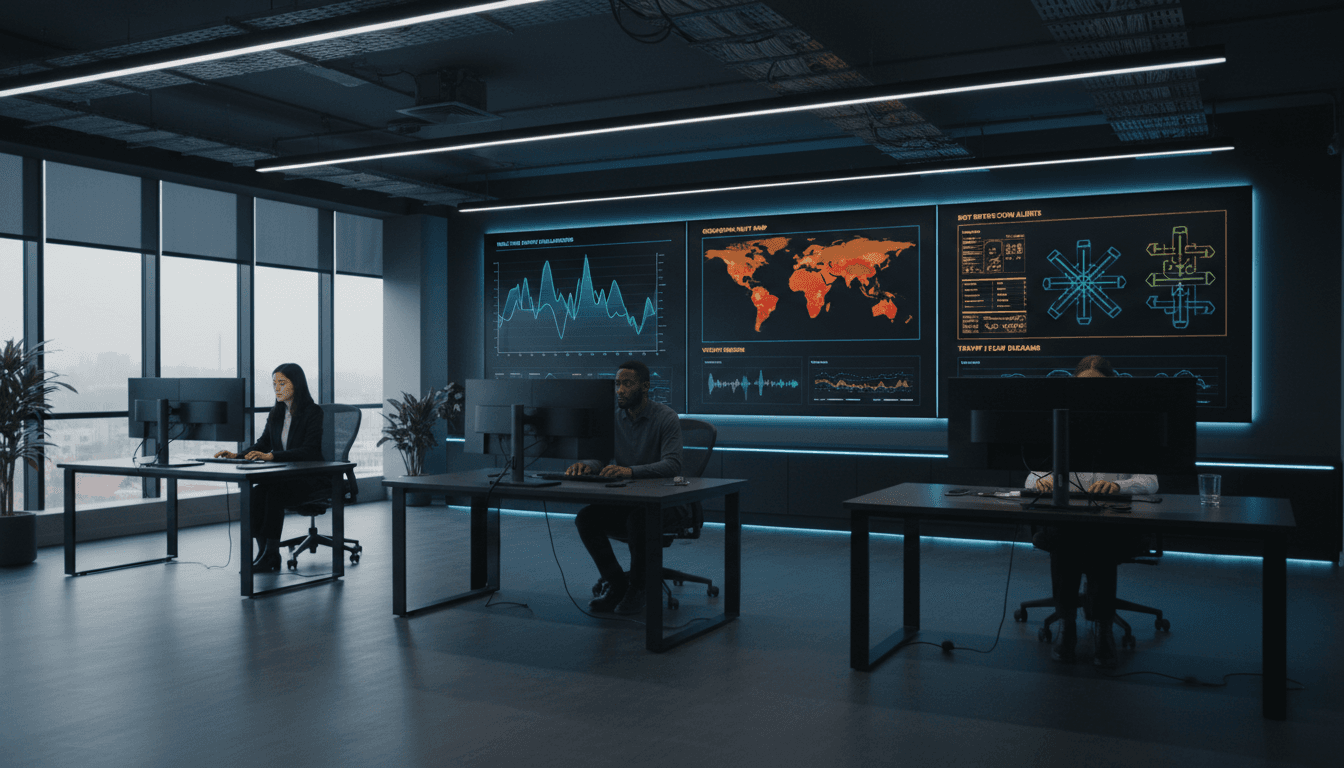
The year 2026 marks a decisive tipping point in digital risk, as automated, machine-driven threats have transitioned from emerging tech to the baseline standard for every breach. The landscape of AI-powered cyberattacks small business 2026 owners encounter is characterized by a staggering 340 percent increase in volume over the previous year. This surge is driven by the industrialization of cybercrime; attackers no longer need deep technical expertise when they can purchase subscription-based AI tools designed to find and exploit weaknesses at scale. Small businesses are frequently the preferred targets for these automated botnets because their defense perimeters often lack the sophistication of enterprise-grade systems.
This industrial shift has turned cybercrime into a high-efficiency business model. Statistics from the past year reveal that Business Email Compromise (BEC) alone led to $6.3 billion in losses, with deepfake-enabled incidents growing by 680 percent. At GlobalinkIT, we recognize that comprehensive cybersecurity services cannot exist in a vacuum. Most traditional providers treat security as a superficial software layer, but we view it as a fundamental component of your business’s connectivity and automation infrastructure.
When security is siloed from your internet connectivity or your automated IT solutions, it creates invisible gaps that modern AI tools are designed to find. By integrating secure, data-driven decisions into a fully unified approach, we ensure that your defenses move as fast as the attacks targeting them. In an era where manual monitoring is obsolete, building a resilient operation requires a framework where security, software, and connectivity work as a single, impenetrable ecosystem.
The Evolution of Phishing: Deepfakes and Hyper-Personalized BEC
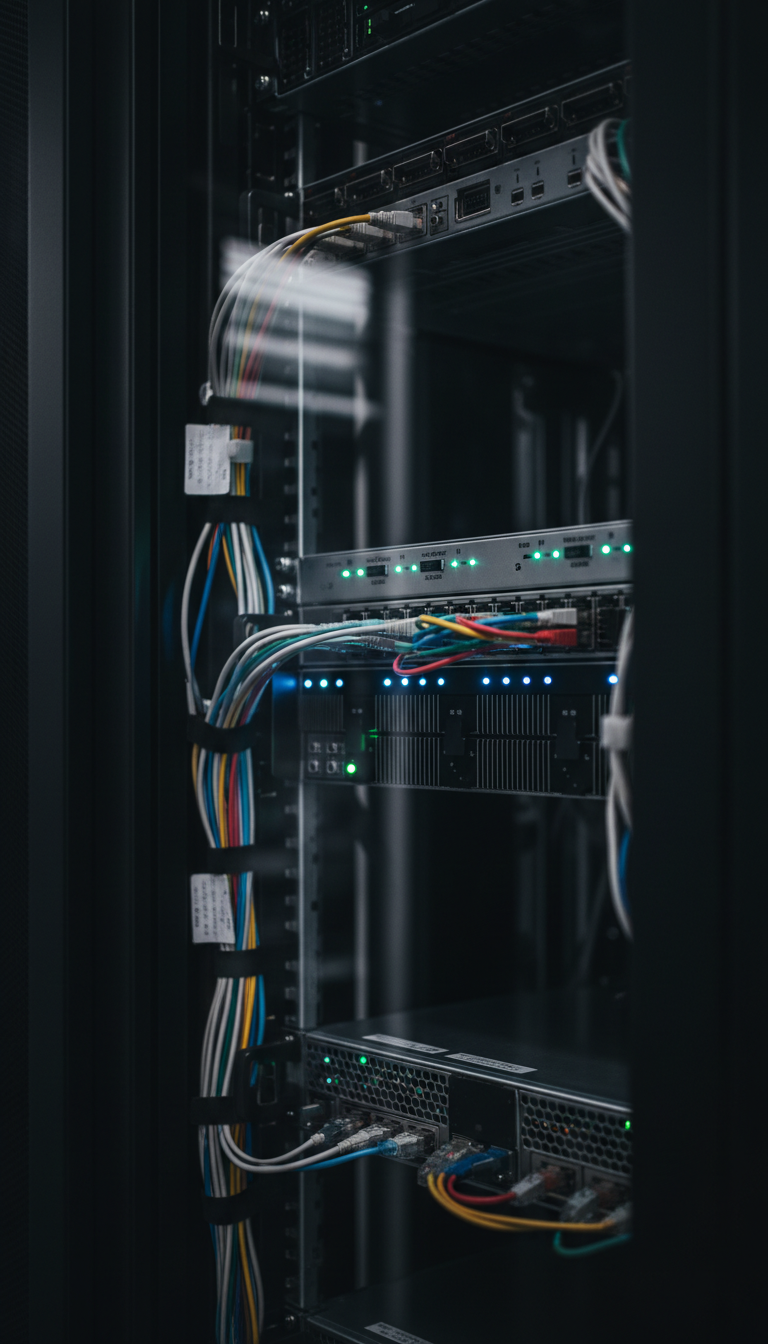
The industrialization of cybercrime has most visibly manifested in the evolution of social engineering. In 2026, the era of identifying phishing by poor grammar, suspicious sender addresses, or generic greetings has ended. Today, attackers use generative AI to scrape social media profiles, corporate websites, and public filings to build hyper-personalized profiles of their targets. These AI-powered cyberattacks small business 2026 owners face are exceptionally dangerous because they leverage real-time data to create messages that are indistinguishable from legitimate internal communications.
The danger of AI phishing attacks lies in their ability to bypass human intuition and traditional security filters. Business Email Compromise (BEC) has seen a sharp 37 percent rise, with total losses reaching $6.3 billion and a median loss of $50,000 per incident. Attackers no longer rely solely on text; they deploy deepfake voice clones that mimic an executive's exact tone, accent, and cadence. In many instances, these are paired with real-time deepfake video calls during standard virtual meetings, making it nearly impossible for an employee to realize they are interacting with an AI-generated persona.
This sophistication is particularly prevalent in high-stakes industries like finance, healthcare, and professional services. By the time a suspicious wire transfer is manually flagged, the funds have often been laundered through multiple automated channels. At GlobalinkIT, we emphasize that defending against these threats requires more than just skepticism. It necessitates comprehensive cybersecurity services that can detect the subtle linguistic anomalies and technical artifacts left behind by generative AI. When an attacker can clone a CEO’s voice using only thirty seconds of audio from a public webinar, the traditional "human firewall" must be augmented by AI-driven detection tools to maintain operational integrity. Monitoring for these hyper-personalized threats requires a technical layer that can verify identity beyond what the human eye or ear can perceive.
Automated Vulnerability Scanning and Machine-Speed Exploits
The window of tactical response for IT administrators has effectively closed. In the past, a manual hacker might take days to research a network, identify a specific vulnerability, and write a custom script to exploit it. Today, the landscape of AI-powered cyberattacks small business 2026 stakeholders must navigate is defined by machine-speed execution. Automated vulnerability scanners, powered by specialized security AI, now analyze code and network configurations in seconds, identifying "zero-day" weaknesses or unpatched legacy software faster than any human team can monitor.
When a new security vulnerability is publicly disclosed, AI-driven botnets weaponize it almost instantly. Exploits are often developed and deployed globally within minutes of a discovery, long before a human can read the security advisory. This creates a lethal environment for small businesses that frequently suffer from a "patch gap." While a small firm might wait weeks for a scheduled maintenance window, an automated attack script has already cycled through millions of IP addresses to find that specific open door.
At GlobalinkIT, we counter this velocity by integrating automated IT solutions directly into your infrastructure. This shift from manual oversight to autonomous defense is critical. Relying on comprehensive cybersecurity services that utilize real-time, AI-driven threat intelligence is the only way to close the gap between when a threat is born and when it attempts to breach your server.
The Unified Defense Strategy: Why Siloed Security Fails in 2026
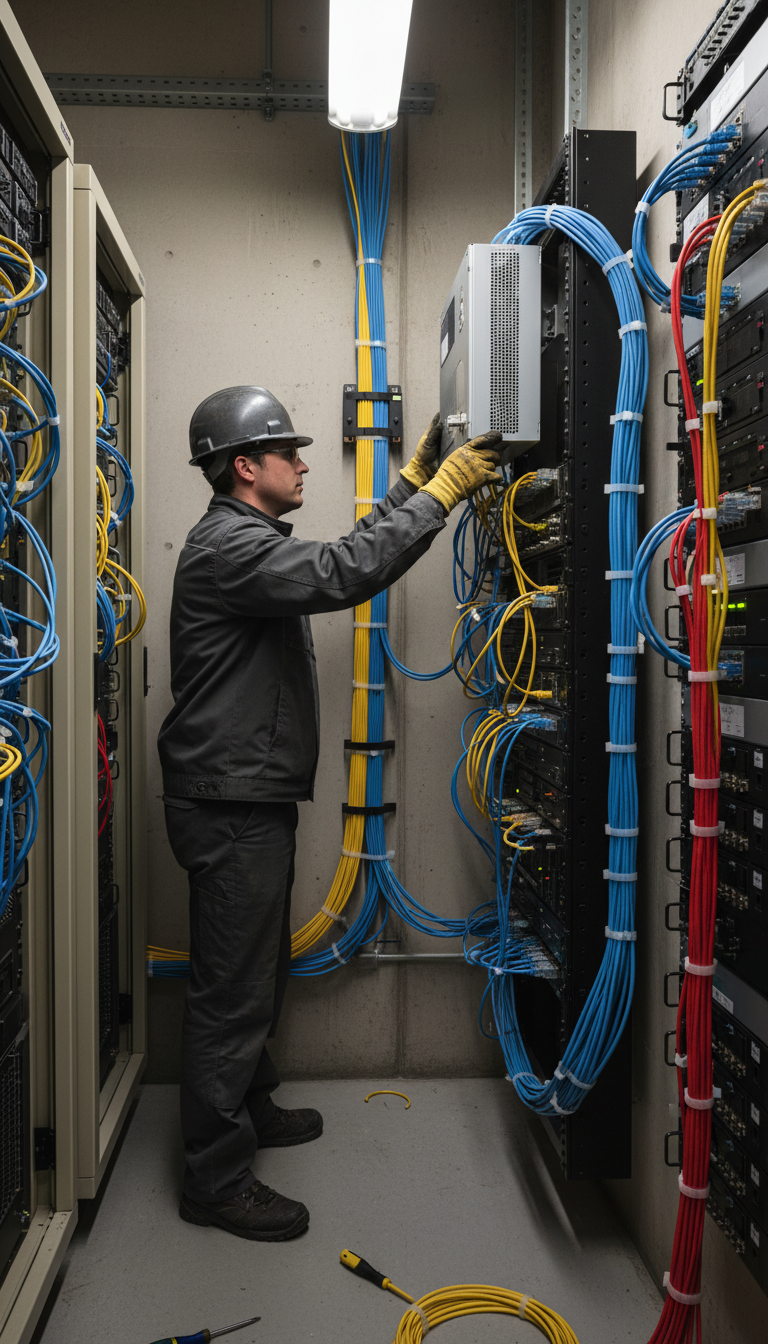
As attacks accelerate to machine speed, the traditional model of managing technology through fragmented, siloed vendors becomes a critical liability. When internet connectivity, software management, and security monitoring are handled by different entities, visibility is lost at the network borders. The AI-powered cyberattacks small business 2026 owners face are specifically designed to slip through these seams where one vendor’s responsibility ends and another’s begins. A fragmented defense relies on manual communication between providers, a delay that modern machine-driven exploits use to secure their foothold.
At GlobalinkIT, we advocate for a Unified Defense strategy. This approach eliminates blind spots by integrating secure internet connectivity with automated IT solutions. By bringing the network and the security layer under a single management framework, we ensure that data-driven decisions are made based on the entire infrastructure, not just isolated parts. This integration is essential for modern detection techniques to function effectively.
Traditional signature-based antivirus is largely ineffective against 2026 threats because it relies on recognizing known malware files; if the AI generates a unique, never-before-seen variant, the antivirus remains silent. A Unified Defense utilizes User and Entity Behavior Analytics (UEBA) to identify anomalies by establishing a baseline of normal activity. If a user account suddenly accesses a sensitive database at 3:00 AM or begins exporting data to an unusual IP, UEBA flags the behavior immediately. This method, supported by comprehensive cybersecurity services, focuses on the intent and action of the user rather than the file signature, allowing for the detection of sophisticated, zero-day threats that traditional systems would ignore.
Practical Steps to Defend Against AI-Generated Phishing and Social Engineering

The shift from signature-based detection to behavior analytics is a critical structural change, but individual operational habits must also evolve. To counter the precision of AI-powered cyberattacks small business 2026 owners face, organizations must move beyond passive awareness toward active, protocol-driven defenses.
The first practical step is implementing strict out-of-band verification for all financial or sensitive data requests. Even if an email or a video call from a known executive seems authentic, any request to change payment instructions or transfer funds should require a secondary confirmation via a trusted, pre-established channel; specifically, a direct phone call to a known number. This manual circuit breaker is the only foolproof way to expose a deepfake voice or video clone before a transaction is finalized.
Technologically, your infrastructure should utilize comprehensive cybersecurity services that deploy AI-powered email filters. Unlike traditional filters that look for blacklisted domains, these modern tools use Natural Language Processing to analyze linguistic patterns and metadata. They can detect the subtle shift in a tone or notice if a message contains the structural markers of a generative AI model.
Addressing the fundamental question of what is a company's best defense against phishing attacks requires a dual-pronged approach of technology and human firewall training. This includes:
Moving to phishing-resistant Multi-Factor Authentication (MFA), such as hardware security keys or passkeys, which stop credentials from being intercepted by man-in-the-middle attacks.
Using automated IT solutions to conduct ongoing social engineering simulations that adapt to the latest AI tactics.
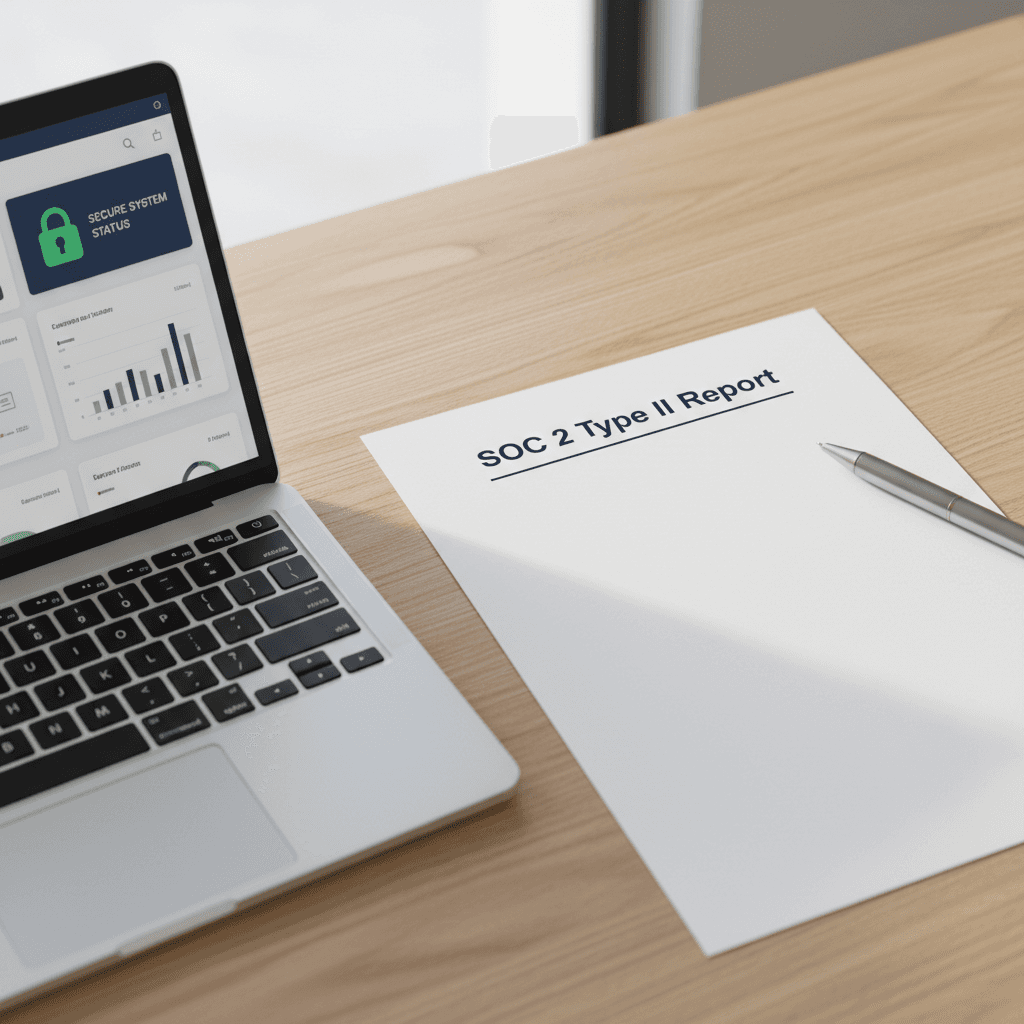
Aligning these efforts with regulatory compliance support to ensure your team remains current on the evolving legal standards for data protection.
Automating Your Resilience: The Role of Managed IT in 2026
Defending against the AI-powered cyberattacks small business 2026 environments face requires moving from reactive monitoring to autonomous resilience. In an era where exploits move at the speed of code, manual oversight is no longer a viable safeguard. At GlobalinkIT, we implement automated IT solutions that function as a digital nervous system, capable of making split-second, data-driven decisions without human intervention.
These systems utilize sophisticated incident response playbooks to contain threats instantly. For example, if an endpoint shows signs of self-learning malware, the network can automatically isolate the infected device; it severs the connection to the central database before the first alert even reaches a technician’s screen. Similarly, automated, immutable backups ensure that if a system is compromised, a clean restoration process can begin immediately. This level of comprehensive cybersecurity services ensures that resilience is built into the infrastructure itself. By the time a human analyst reviews the logs, the threat has been identified, quarantined, and neutralized by the very automation that powers your business operations.
Cybersecurity Compliance as a Strategic Advantage
The velocity of AI-powered cyberattacks small business 2026 leaders navigate has fundamentally changed the regulatory landscape. In this environment, meeting legal and insurance standards is no longer an administrative burden; it is a blueprint for survival. Most cyber insurance providers now mandate the implementation of AI-driven detection and automated response protocols as a prerequisite for coverage.
By prioritizing regulatory compliance support, you shift from a reactive posture to a strategic one. This framework allows you to validate your security investments while ensuring your infrastructure meets the rigorous data protection standards required for modern finance, healthcare, and professional services. Compliance serves as the ultimate validation of a unified defense, proving that your business is prepared to withstand machine-speed exploits.
In 2026, the rise of AI-driven threats makes a unified defense essential for small business survival. Protecting your operations requires a proactive approach that adapts as quickly as the technology itself. While implementing these security layers is a critical investment, managing the technical details can be complex. If you want expert help staying ahead of these risks, our Cybersecurity solutions can provide the specialized support you need. Together, we can ensure your business remains secure and ready for future challenges.