
The October 2026 PHP2Shell flaws are critical security risks that allow remote code execution on web servers, making it a priority PHP vulnerability small business owners must address immediately. Because these vulnerabilities exist at the server level, you must update your PHP installation via your hosting provider; standard WordPress or CMS updates will not provide adequate protection against these specific threats.
For many small business owners, the web server is a black box that simply needs to work, yet the upcoming PHP2Shell vulnerabilities scheduled for October 2026 represent a ticking clock for your digital infrastructure. Ignoring these critical flaws could lead to unauthorized remote code execution, effectively handing the keys of your business to malicious actors. This risk is particularly acute for organizations still relying on legacy versions like PHP 7.4, where standard patches may no longer apply. In this guide, we will analyze why these vulnerabilities target the specific resource constraints of SMBs, how to audit your current environment for exposure, and the precise remediation steps required to maintain your security posture. You will gain a practical roadmap to navigate this crisis, moving beyond temporary fixes toward a more integrated approach to cybersecurity.
Understanding PHP2Shell and the October 2026 Security Crisis

PHP2Shell is the collective designation for two critical vulnerabilities, CVE:2026:109618 and CVE:2026:109619, that emerged in October 2026. These flaws are not minor software glitches; they carry a CVSS severity rating of 9.2 out of 10. To understand the scale of the threat, PHP serves as the underlying engine for approximately 75 percent of the modern web. This includes ubiquitous platforms like WordPress, Drupal, and custom business applications that form the core of professional web development for many US firms.
Unlike common bugs that might cause a page to crash, PHP2Shell involves Remote Code Execution (RCE). In practical terms, an RCE flaw allows an unauthenticated attacker to bypass traditional login screens and execute malicious commands directly on your server. They do not need a password, a username, or administrative credentials. Once the malicious request is processed, the attacker effectively gains control of the hosting environment.
The timeline of this crisis is particularly concerning for any PHP vulnerability small business owners may be currently facing. While official patches were released on October 21, 2026, evidence from global network monitoring indicates that exploitation attempts began as early as October 17. This four-day window of zero-day activity meant that many systems were targeted before a fix was even available to the public. For any company relying on PHP to power their digital storefront, this represents a top-tier security emergency requiring comprehensive cybersecurity solutions. The threat is processed at the server level before application-level security can intervene, making it a silent but devastating entry point for ransomware and data exfiltration.
Why the PHP Vulnerability Impacts Small Business Operations Specifically
The widespread nature of this PHP vulnerability small business owners are facing stems from how deeply embedded PHP is in the modern digital infrastructure. Most small to mid sized enterprises in the United States do not build their websites from scratch; they utilize platforms like WordPress or Drupal, or rely on professional web development firms to create custom PHP based portals for inventory and client management. Because these tools are the lifeblood of daily operations, a compromise here is not just a technical glitch; it is a direct threat to business continuity.
What makes PHP2Shell particularly insidious is its silent operation. Traditional security measures, such as basic web application firewalls or standard WordPress security plugins, often operate at the application level. However, because PHP2Shell vulnerabilities are processed by the server engine itself before the application code even executes, these plugins may never see the threat. The attack bypasses the front door of your software entirely. An attacker can use this entry point to exfiltrate sensitive customer data or deploy ransomware that locks down your entire server, all without leaving a trace in your standard application logs.
Relying on a DIY approach to security or a basic hosting provider leaves a significant gap in your defenses. In these scenarios, the business owner is often responsible for monitoring their own server environment, a task that requires deep technical expertise. A detailed risk assessment often reveals that while the website looks functional, the underlying infrastructure is wide open. By contrast, a partner providing comprehensive cybersecurity solutions monitors the stack at the server level. This integrated approach ensures that the environment hosting your business tools is hardened against engine level exploits, providing a level of professional oversight that standard plugins simply cannot offer.
Is PHP 7.4 Still Vulnerable to PHP2Shell?
The short answer is yes. PHP 7.4, along with versions 8.0 and 8.1, are susceptible to the PHP2Shell exploit. These versions are technically End of Life (EOL), meaning they have not received official security updates for years. However, the 9.2 severity of this PHP vulnerability small business owners are facing forced the PHP development team to issue rare, minimal source backports for these legacy versions.
While these backports exist in the source code, their implementation is not automatic. Many shared hosting providers popular among US small businesses prioritize stability and cost over the manual labor required to compile and apply backports to EOL software. If your site resides on a legacy server, you may still be exposed even if a patch theoretically exists. This creates a false sense of security that can lead to a detailed risk assessment revealing massive structural gaps.
Relying on patches for EOL software is a reactive, high risk strategy. A professional web development approach involves migrating to supported versions, specifically PHP 8.2 or higher. These modern branches, such as 8.5.12, 8.4.27, 8.3.36, and 8.2.35, have official, tested fixes that integrate with broader comprehensive cybersecurity solutions. Transitioning away from PHP 7.4 not only closes the PHP2Shell loophole but also improves site performance and ensures compatibility with modern security protocols that legacy versions simply cannot support.
How to Identify if Your Business Website Is at Risk
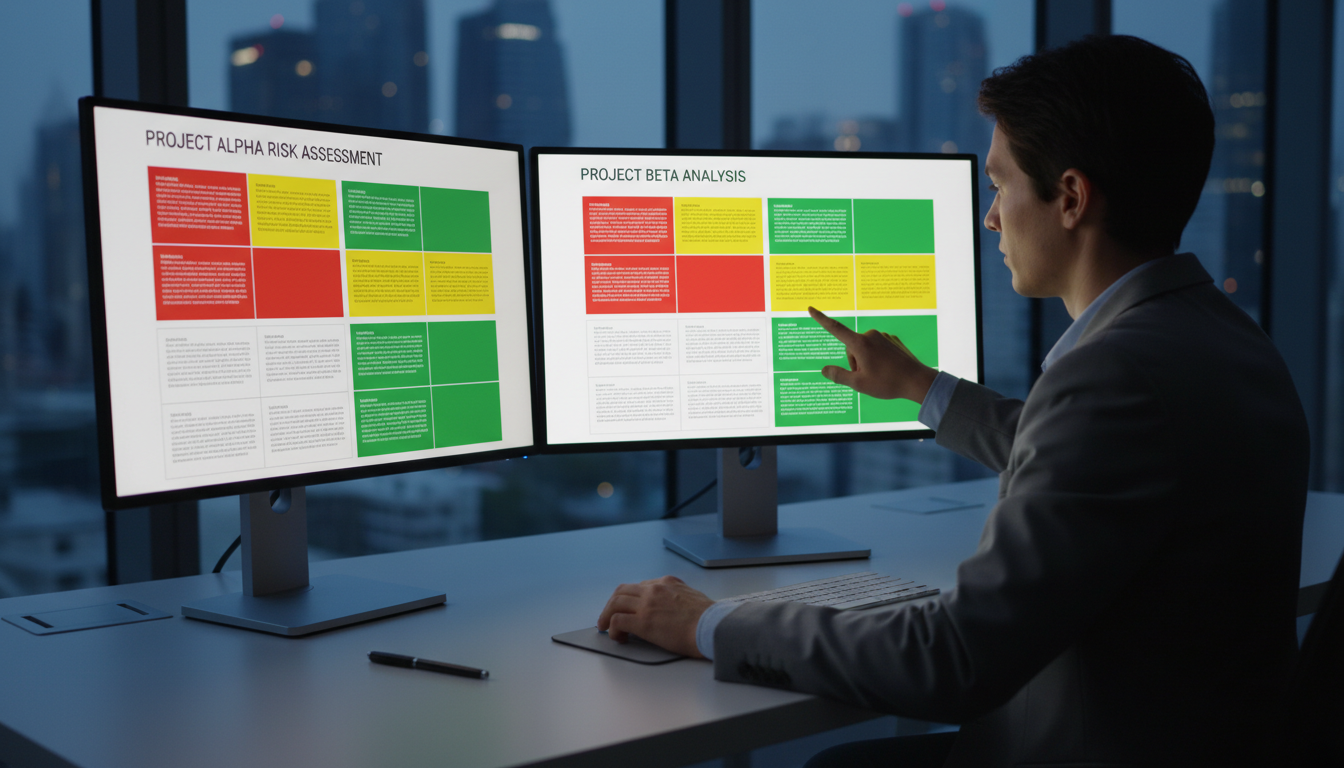
Determining your level of exposure to PHP2Shell is the first priority in securing your operations. For those utilizing WordPress, the quickest method is to log in to your dashboard, navigate to Tools, select Site Health, and click the Info tab. Under the Server section, the PHP version is clearly listed. If your version is older than 8.2.35, 8.3.36, 8.4.27, or 8.5.12, your environment is likely susceptible to the PHP2Shell threat. Identifying this PHP vulnerability small business owners often overlook is the first step toward remediation.
For custom applications or other CMS platforms, you can manually query the server. Create a temporary file named `check.php` containing the code `<?php phpinfo(); ?>` and upload it to your root directory. Accessing this file via a web browser will display the exact PHP build and configuration settings. It is vital to delete this file immediately after verification; leaving it active provides attackers with a detailed map of your server configuration, which can be used to facilitate further breaches beyond the initial RCE flaw.
While these manual checks provide a baseline, they do not offer a full picture of your risk profile. Advanced network level scanners can probe for the specific headers that indicate an unpatched PHP engine, but interpreting this data accurately requires technical expertise. GlobalinkIT provides a detailed risk assessment that goes beyond simple version checks. By integrating forensic scanning with comprehensive cybersecurity solutions, we identify hidden vulnerabilities in your professional web development stack that manual audits often miss. This proactive approach ensures your business remains resilient against unauthenticated remote code execution attempts before they can impact your bottom line.
The Immediate Remediation Roadmap for SMB Owners

Correctly diagnosing a PHP vulnerability small business owners might face is only the beginning. To secure your infrastructure, you must execute a remediation roadmap that prioritizes core engine updates over temporary configuration tweaks. This process requires precision to ensure that while the vulnerability is closed, your business operations remain functional.
Verify PHP Version: Use your CMS dashboard or command line to confirm your current build against the known vulnerable list.
Deploy Official Patches: Update your production environment immediately to PHP 8.5.12, 8.4.27, 8.3.36, or 8.2.35.
Coordinate with Managed Providers: If you use a managed hosting plan, contact your provider to confirm they have applied these specific versions. Do not assume automatic updates have occurred, as many providers delay patches to avoid breaking legacy professional web development projects.
Isolate Unpatchable Systems: If an internet facing server cannot be updated immediately due to software dependencies, take it offline or place it behind a restrictive VPN to prevent external access.
Some technical forums suggest that disabling specific settings, such as `session.upload_progress.enabled`, can mitigate the risk. This is insufficient. While such configuration changes might hinder one specific attack vector, they do not neutralize the underlying Remote Code Execution flaws. Only a core engine update truly solves the PHP2Shell threat. A detailed risk assessment can help identify if these partial mitigations have left your systems exposed. Implementing comprehensive cybersecurity solutions ensures that your remediation steps are part of a broader, proactive defense strategy rather than a reactive scramble.
Beyond the Patch: Why Integrated Cybersecurity Matters in 2026
The immediate reaction to a threat like PHP2Shell is often a scramble to update individual servers, but this reactive cycle leads to what many US business owners experience as vulnerability fatigue. Constantly playing catch-up with high severity CVEs drains resources and creates operational instability. A truly resilient business model shifts from reactive maintenance to an integrated technology strategy. This means aligning professional web development with robust backend infrastructure and secure connectivity from the start.
GlobalinkIT provides a unified defense by managing the entire digital stack. By integrating comprehensive cybersecurity solutions directly into the development and hosting process, we ensure that security is not an afterthought or a plugin; it is a fundamental layer of the environment. This holistic oversight allows for the detection of anomalies at the network level and the application of server-side hardening before a specific PHP vulnerability small business owners are worried about even reaches the public eye.
Making secure, data-driven decisions is essential in a 2026 landscape where threats execute in seconds. When your web development, connectivity, and security protocols communicate within a single framework, you gain a clear view of your risk posture. This transparency replaces guesswork with precision. A detailed risk assessment serves as the foundation for this approach, identifying where legacy code or fragmented vendors might be creating entry points. Instead of managing dozens of individual software alerts, business owners can rely on a single partner to maintain a hardened, professional digital environment. This integrated approach ensures that when global security events occur, your operations remain stable and your data stays protected.
Staying ahead of critical vulnerabilities like PHP2Shell is essential for protecting your company data and reputation. While these updates are vital, managing server patches often takes time away from your core business. If you are not sure whether your website or applications are running a patched, supported version of PHP, you do not have to figure it out alone. Book your free [30-minute cybersecurity risk assessment](/risk-assessment) with GlobalinkIT. We will review your environment, identify anything running unpatched or end-of-life software, and give you a clear, prioritized action plan so you can focus on growing your business with confidence.